

High quality from reliable sources
Activated Carbon Products
Activated Carbon Products

Activated carbon is a solid substance with a porous surface that can combine with different molecular structures. The interaction of activated carbon can be purely physical (through interaction between unconnected atoms or Van der Waals forces) or due to its physical-chemical structure, and its strength can vary depending on the type of molecule and the type of activated carbon. Activated carbon is generally produced through a steam activation process.
In this process, carbon or carbon-containing starting materials are gasified by reacting them with steam or other oxidizing materials. Raw materials used include charcoal, hard coal, lignite, coconut-based coal, peat coal, or wood-based coal.
LapisChem serves the industry with product options in different properties, shapes, and sizes (granular, extruded, or powder) to meet the needs in many areas of use.
What is Activated Carbon?
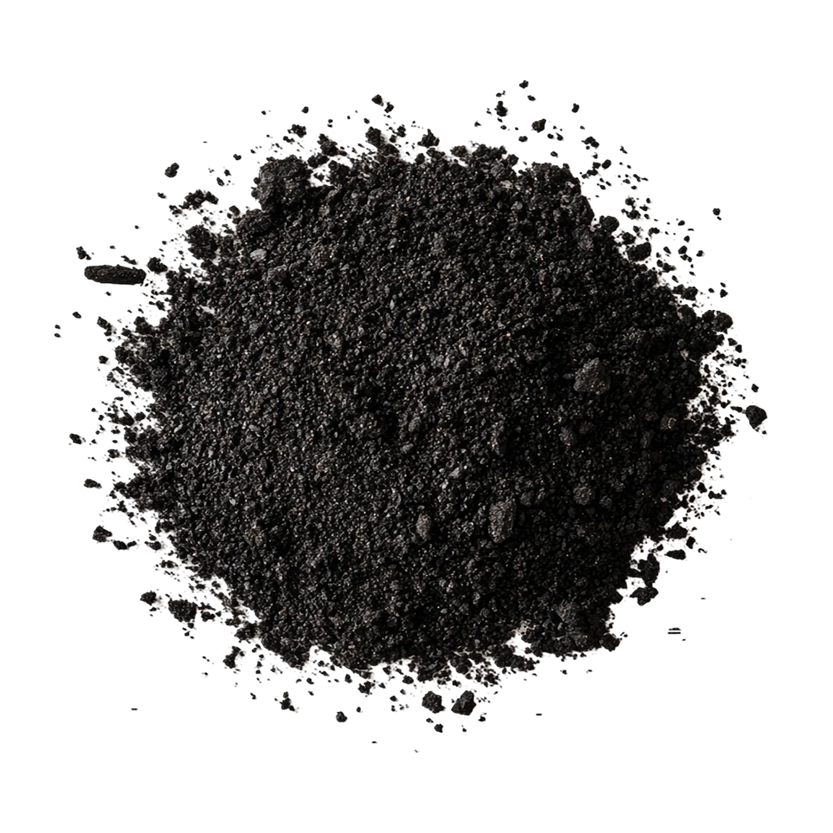
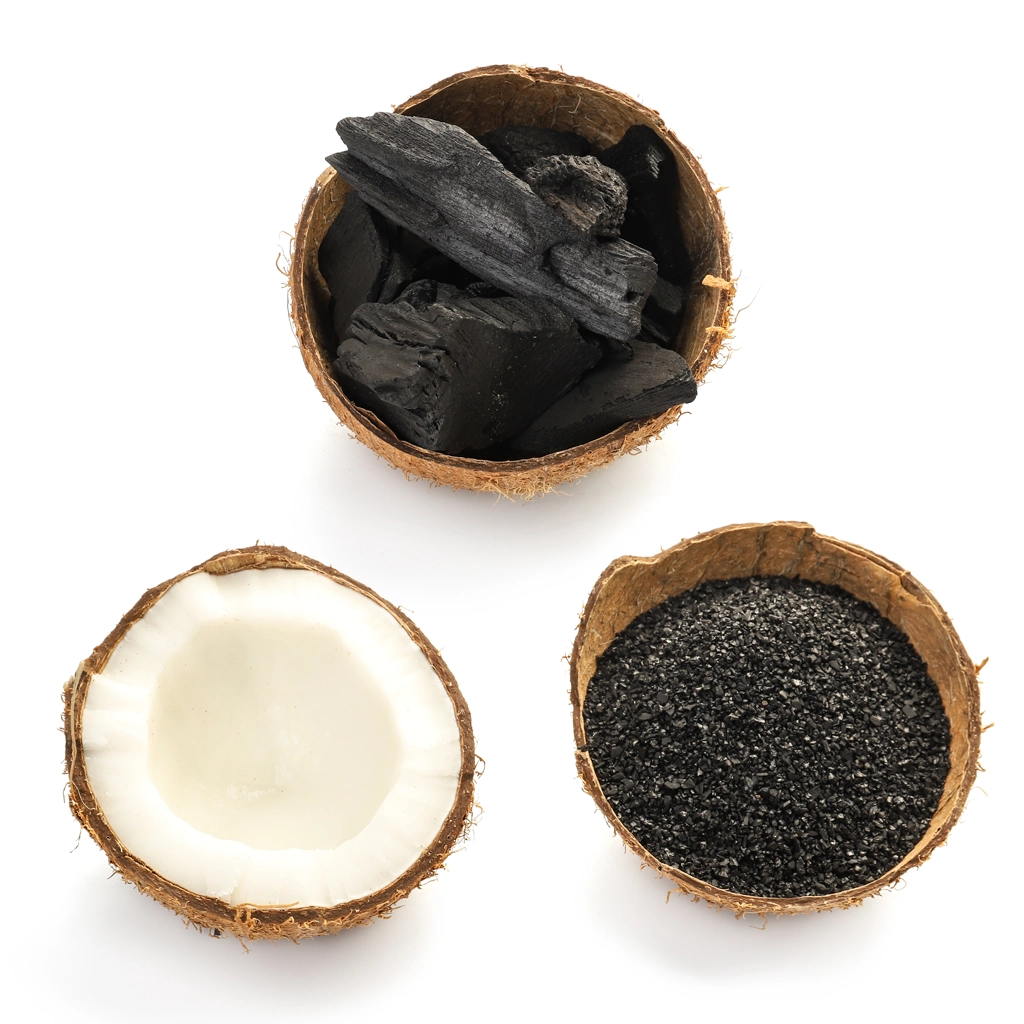
Activated carbon is a solid substance with a porous surface that can combine with different molecular structures. Activated carbon's interactions can be purely physical (interactions between unbonded atoms or Van der Waals forces) or due to its physical-chemical structure. Its strength can also vary depending on the type of molecule and the type of activated carbon. Activated carbon is generally produced through a steam activation process. In this process, carbon or carbon-containing starting materials are reacted with steam or other oxidizing materials, leading to gasification. Raw materials such as charcoal, hard coal, lignite, coconut-based coal, peat coal, or wood-based coal are used.
Additionally, cellulose-based raw materials can be used in the chemical activation process to activate the raw materials. For example, sawdust is treated with chemicals that cause dehydration at high temperatures. As a result of all processes, porous activated carbon with a highly developed surface area ranging from 500 to 1750 square meters per gram of carbon is obtained.
Surface Area of Activated Carbon
The effectiveness of activated carbon depends on its surface area. Effectiveness increases as the surface area increases. The surface area of activated carbon generally ranges between 500-2000 square meters.
Unique Property of
Coconut-Based
Activated Carbon
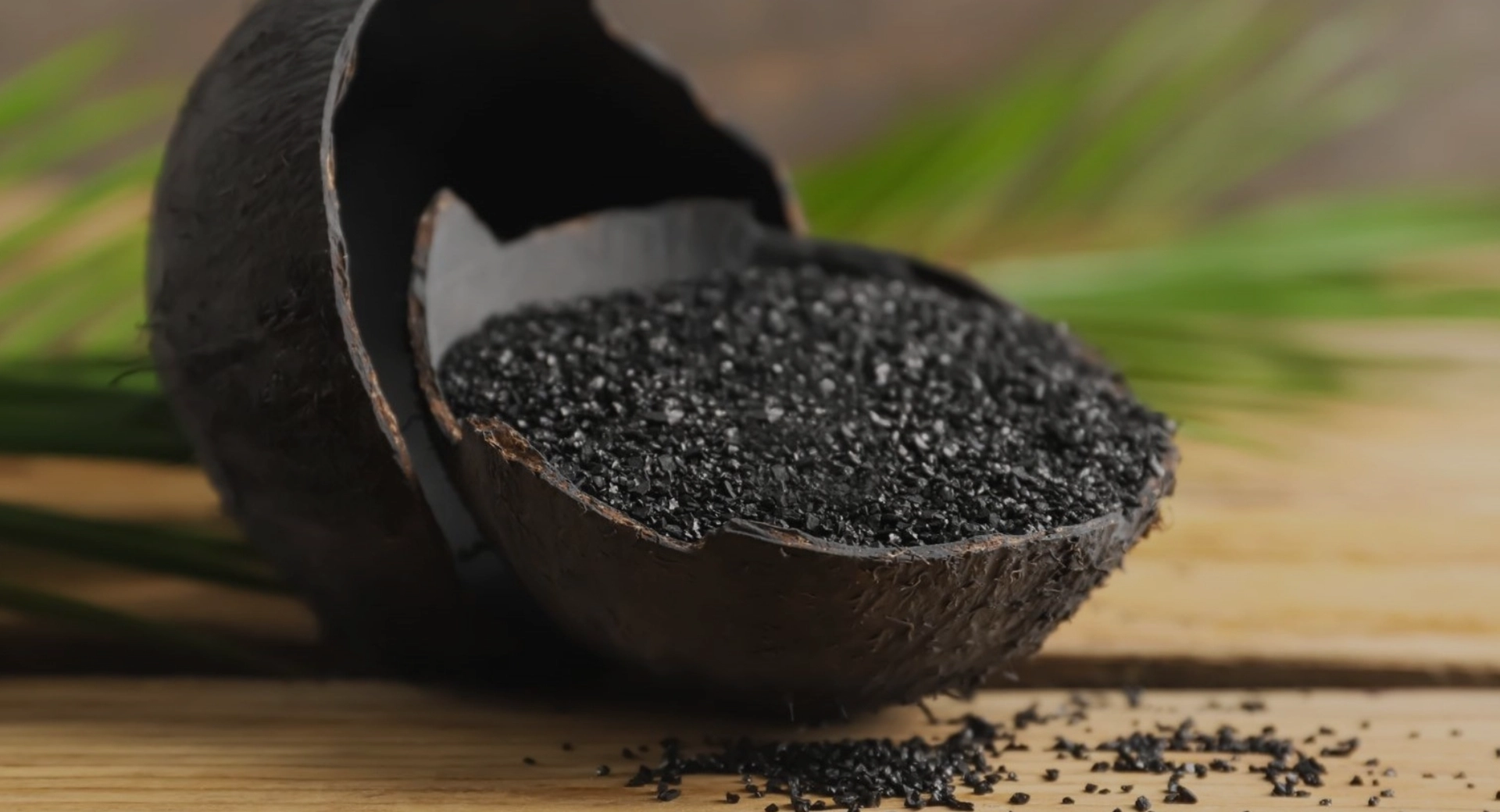
Coconut-based Activated Carbon is Considered the most Effective Activated Carbon Produced to Date.
- The surface of this activated carbon is highly porous and has a very large surface area.
- Its porous structure is suitable for rapid adsorption.
- It is a naturally occurring raw material.
- It has no carbon emissions.
- It has high hardness.
- It has very low impurities.
What is Adsorption?
Adsorption is the adhesion of molecules of a substance to the surface of activated carbon. Activated carbon is characterized by high micro and macro pores that allow adsorbates to adhere to the inner surface. There are two types of adsorption.
- Physical Adsorption
Physical adsorption occurs when the material to be adsorbed adheres to the inner surface of the activated carbon through Van der Waals forces between molecules. The attractive force decreases as the distance between the pore wall and the molecule increases.
- Chemisorption
It occurs through a strong bond between the adsorbate molecules and chemical complexes impregnated into the pore wall of the activated carbon.
What Materials Can be Adsorbed with Activated Carbon?
Activated carbon is generally used to adsorb organic substances. At the same time, some inorganic substances with heavy molecular weights such as iodine and mercury can also be adsorbed.
The Adsorption Capacity of Activated Carbon Increases as:
- Molecular weight increases
- The number of functional groups increases
- Polarity increases.
What is Granular Activated Carbon (GAC)?
Granular activated carbon is the ground and sieved form of activated carbon with an irregular shape. Granular activated carbon is used to purify high volumes of gas or liquid substances. Granular activated carbon is harder and longer-lasting than powdered activated carbon. It can be reactivated and used several times.
What is Powdered Activated Carbon (PAC)?
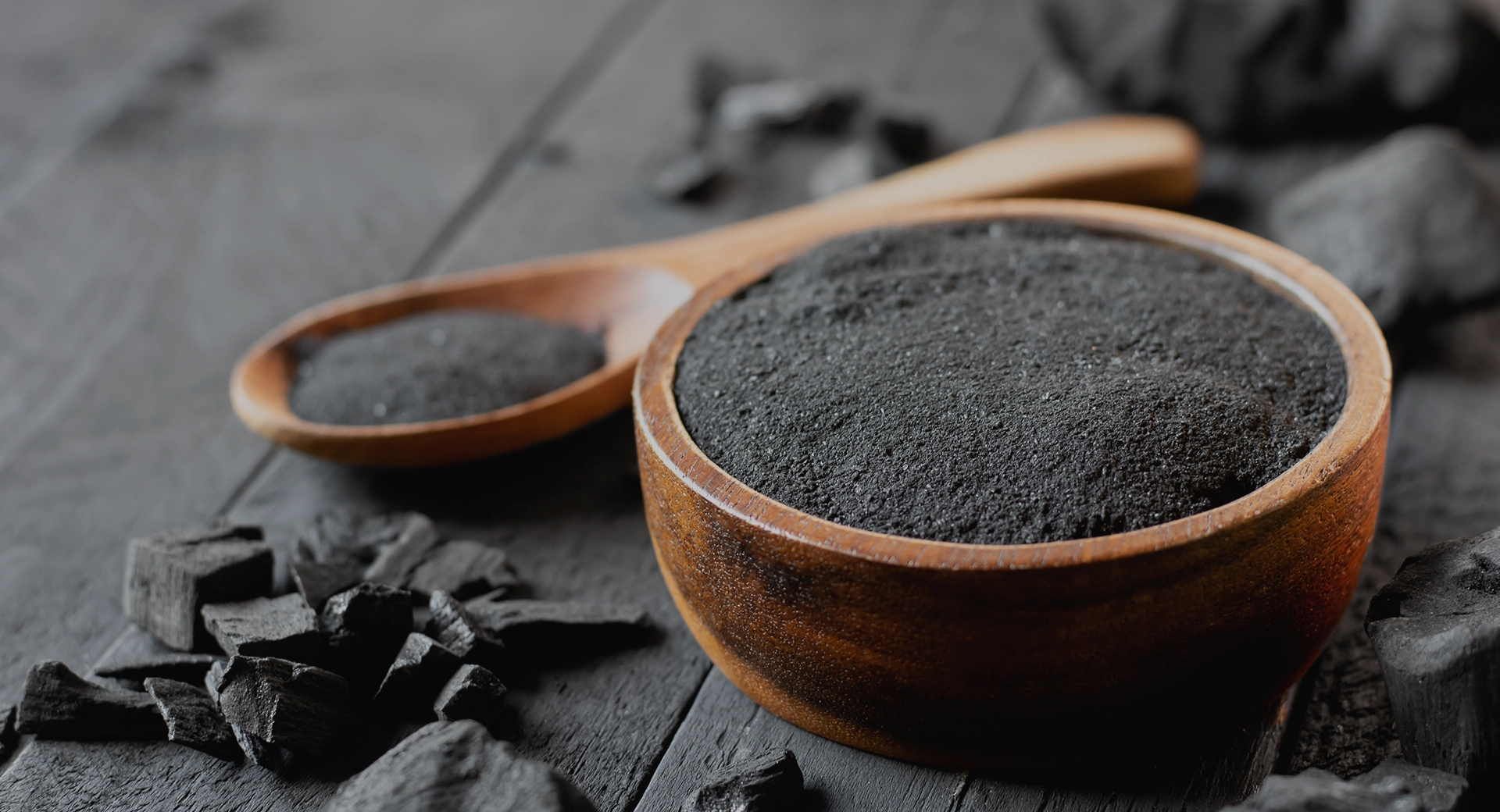
Powdered activated carbon is generally used in liquid phase or flue gas applications. The particle distribution of powdered activated carbon generally ranges from 5 to 150 micrometers. It can be used in batch or continuous processes. Powdered activated carbon cannot be reactivated like granular activated carbon and cannot be reused.
Important Information about Activated Carbon
Properties of Activated Carbon
Surface Area:The surface area of activated carbon ranges from 500 to 2000 m2/g. In other words, just 3 grams of activated carbon can have a surface area as large as a football field. The surface area of carbonaceous materials can be expanded through the activation process.
Total Pore Volume (TPV):
TPV represents the total volume of space created by the pores within an activated carbon. The effectiveness of activated carbon increases as the total pore volume increases and is expressed in ml/g.
Pore Volume Distribution:
The property of activated carbon is measured by the distribution of pore sizes. For decolorization applications, activated carbon with a high distribution ratio of mesopores is required.
Selection Criteria for Activated Carbon
- Resistance to abrasion
- Adsorption capacity
- Particle size distribution for optimal flow
- Adsorption and desorption rate
- Suitability for the product's area of use
- Some substances that may be effective or interact during carbon loading
Factors that may Affect the Performance of Activated Carbon
LapisChem serves the industry with product options in different properties, shapes, and sizes (granular, extruded, or powder) to meet the needs in many areas of use.
Activated Carbon
Areas of Use